Domestic violence continues to be a critical concern across the United States, and Madison County is no exception. Families facing abuse often struggle in silence, unsure where to turn or how to safely seek help. Over the past decade, community health providers, social workers, law enforcement partners, and local nonprofits have strengthened coordinated responses to protect survivors, intervene early, and break cycles of harm. This article explores how these programs work, why local support matters, and how Madison County residents can access life-saving resources.
Understanding the Scope of Domestic Violence in Madison County
Domestic violence affects individuals regardless of income level, family structure, or background. In Madison County, community health reports indicate that emotional abuse, financial control, physical violence, and coercive behaviours remain common risk factors in households referred to social services. Primary care clinics and behavioural health providers frequently encounter patients dealing with anxiety, depression, or chronic stress linked to unsafe home environments.
Table of Contents
Healthcare teams, including nurse practitioners like Daniel Harris at MCCHC, often play a first-line role in identifying signs such as unexplained injuries, heightened fear responses, or avoidance of certain questions during consultations. These early indicators are crucial for connecting patients to confidential support before crises escalate.
Key Community Services Focused on Safety and Prevention
Madison County has developed a network of programs specifically designed to address immediate safety needs and long-term recovery. Several types of services work together to support survivors:
Crisis Intervention Support
Local hotlines and crisis intervention teams provide immediate assistance for individuals experiencing danger at home. These services offer safety planning guidance, emergency shelter referrals, and emotional support during highly vulnerable moments. Fast access to help can prevent physical harm and save lives.
Behavioural Health and Trauma Services
Therapists and licensed social workers, including professionals like Maya Collins, lead trauma-informed counselling for adults and children. Services typically include:
- Therapy for survivors coping with emotional trauma
- Parent–child relational support
- Group counselling for shared experiences
These programs focus on restoring emotional stability, rebuilding confidence, and breaking intergenerational patterns of abuse.
Primary Care Integration
Local clinics have strengthened partnerships between medical and behavioural health departments. Providers are trained to screen for domestic violence and offer discreet pathways to help. This integrated approach allows patients to receive medical treatment while simultaneously being connected to social support resources.
Early Prevention and Family Safety Education
Prevention is a major pillar of Madison County’s approach. Educational workshops and family-strengthening programs aim to address risk factors long before violence occurs. These community-based initiatives focus on:
Healthy Relationship Building
Schools, youth centres, and family programs teach communication skills, conflict resolution, and respect-focused relationship norms. These early lessons help young people recognise unhealthy behaviours and practice emotional safety.
Parenting Support Programs
Parent education classes emphasise stress management, positive discipline, and creating stable home environments. These sessions are especially valuable for families experiencing financial hardship or high stress, both of which can increase vulnerability to conflict and violence.
Community Awareness Campaigns
Local organisations regularly conduct outreach to raise awareness about:
- Warning signs of domestic abuse
- How bystanders can offer support safely
- Anonymous reporting and assistance options
These campaigns reduce stigma and encourage earlier intervention.
Partnerships Between Law Enforcement and Community Health
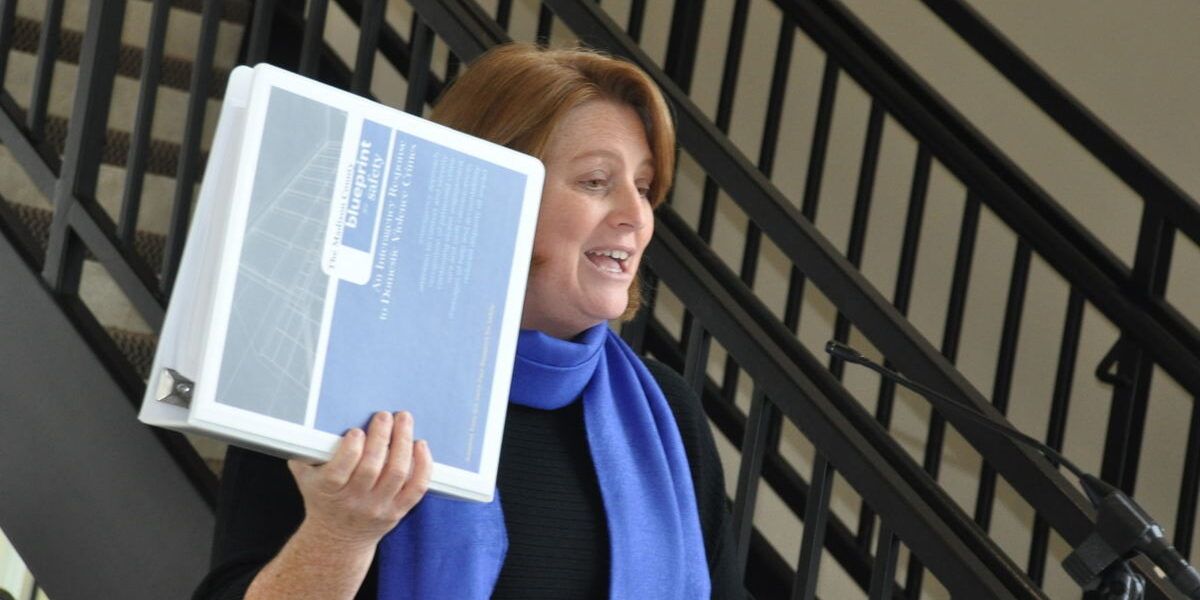
Madison County law enforcement agencies have strengthened coordination with social workers and healthcare providers. Officers responding to domestic disturbance calls now often work alongside victim advocates, ensuring that residents receive immediate information about protective orders, shelters, and follow-up services.
Collaboration has also improved long-term case outcomes by addressing not only the criminal aspects of domestic violence but also the social and emotional needs of victims. This dual-response model reduces repeat incidents and supports survivors’ long-term safety.
How Survivors Can Access Help in Madison County
Residents experiencing domestic violence have multiple confidential options:
- Speaking to a healthcare provider during a routine visit
- Contacting local crisis hotlines for immediate support
- Seeking behavioural health counselling through community clinics
- Reaching out to family support programs for parenting and stability services
- Requesting assistance through law enforcement or victim advocacy groups
These pathways are designed to protect confidentiality and ensure individuals receive guidance tailored to their needs.
Building a Safer Future for Families
Domestic violence prevention requires ongoing commitment from the entire community. Madison County’s approach—anchored in trauma-informed care, collaborative safety systems, and accessible behavioural health support—continues to strengthen family wellbeing across the region. By investing in education, early intervention, and integrated response networks, Madison County is building safer homes and empowering survivors to rebuild their lives with dignity and support.
Call to Action
If you or someone you know needs help, reaching out is a powerful first step. Explore more community health, behavioural support, and family programs at mcchc.org to learn how Madison County resources can assist you or your loved ones. Your action today could help create a safer tomorrow for our community.