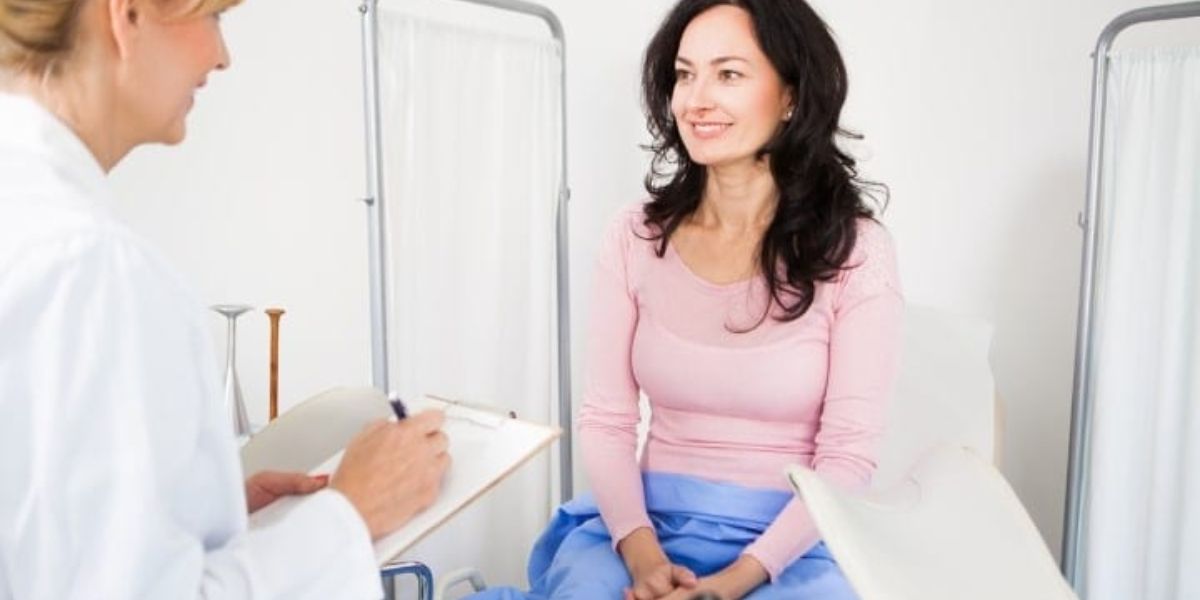
Primary care plays a crucial role in ensuring women across Madison County receive the preventive, reproductive, and long-term health support they need. From routine screenings to chronic condition management and maternal care guidance, local clinics are expanding the services they offer to better meet the needs of women at every stage of life. As health needs become more complex, providers in the county are taking steps to close gaps, improve access, and build stronger doctor–patient relationships that support long-term wellness.
Expanding Access to Preventive Care for Women
Preventive care is the foundation of women’s health, and primary care providers in Madison County are working to increase access to essential screenings and early detection services. Many clinics are enhancing their screening protocols to ensure women stay up to date on tests such as:
Table of Contents
- Cervical cancer screenings
- Breast cancer checks and referrals
- Blood pressure and cholesterol monitoring
- Diabetes risk assessments
Primary care teams are also becoming more proactive with reminders and follow-ups, encouraging women to schedule regular wellness visits. This approach helps detect potential issues early, reducing the risk of complications and long-term health challenges.
Integrating Reproductive and Maternal Health Support
Women’s reproductive health needs vary throughout life, and local primary care providers are playing a more central role in delivering accessible, patient-centered support. Many clinics now incorporate:
- Contraceptive counseling
- Fertility discussions
- Prenatal health monitoring
- Postpartum check-ins
- Support for perimenopause and menopause
By integrating these conversations into routine appointments, providers ensure women do not have to navigate multiple systems to receive basic reproductive guidance. This approach is especially helpful for women in rural or underserved areas of Madison County, where specialty care may require travel or long wait times.
Addressing Mental and Behavioral Health Needs
Mental health remains one of the most significant aspects of women’s wellness, and Madison County’s primary care providers are recognizing this by integrating behavioral health screenings into routine visits. Stress, anxiety, postpartum depression, and trauma-related concerns often surface in primary care settings, making them an important gateway for early support.
Collaborations between primary care and behavioral health professionals allow women to receive seamless, coordinated care. Quick referrals, same-day telehealth sessions, and integrated treatment plans help ensure mental health concerns are addressed promptly and effectively.
Improving Chronic Condition Management for Women
Chronic illnesses such as autoimmune diseases, thyroid disorders, diabetes, heart disease, and hypertension affect women differently compared to men. Madison County providers are tailoring treatment plans that take into account these unique differences.
Women often juggle work, caregiving responsibilities, and household demands, making it challenging to maintain consistent care routines. Primary care teams are responding with:
- Flexible appointment scheduling
- Telehealth follow-ups
- Personalized care coordination
- Education on lifestyle management
- Medication review and adherence support
This patient-centered approach helps women better manage long-term conditions and improves overall health outcomes.
Supporting Women Facing Barriers to Care
Not all women in Madison County have equal access to healthcare. Transportation limitations, lack of insurance, childcare responsibilities, and work schedules can all prevent women from seeking timely care.
To address these challenges, primary care clinics are:
- Offering extended hours, including evenings
- Providing transportation partnership options
- Connecting women to sliding-scale or free services
- Increasing telemedicine availability
- Coordinating with community programs for financial or social support
These adjustments ensure that women who face barriers are still able to receive consistent and comprehensive care.
Strengthening Health Education and Community Outreach
Education is a powerful tool in improving women’s health outcomes, and primary care teams are using workshops, digital resources, and community partnerships to empower women with information. Topics often include:
- Breast health awareness
- Nutrition and fitness guidance
- Managing stress and work–life balance
- Reproductive health education
- Chronic disease prevention
Collaborations with schools, local organizations, and family programs ensure these resources reach women across diverse age groups and backgrounds.
Building Long-Term, Trust-Based Relationships
One of the most meaningful ways primary care providers support women’s health is by building relationships based on trust, respect, and open communication. Many women prefer consistent, long-term providers who understand their medical history, personal preferences, and life circumstances.
By fostering strong relationships, primary care teams can:
- Personalize treatment plans
- Identify early warning signs
- Provide culturally sensitive care
- Support healthier decision-making
- Improve patient comfort and engagement
Women who trust their healthcare provider are more likely to attend appointments, adhere to treatment, and proactively seek help.
Call to Action
Your health is your foundation. If you live in Madison County and want to take the next step toward better wellness, consider scheduling a visit with your local primary care provider. Proactive care today can make a lasting difference tomorrow. Share your thoughts or experiences below—your voice helps strengthen women’s health in our community.