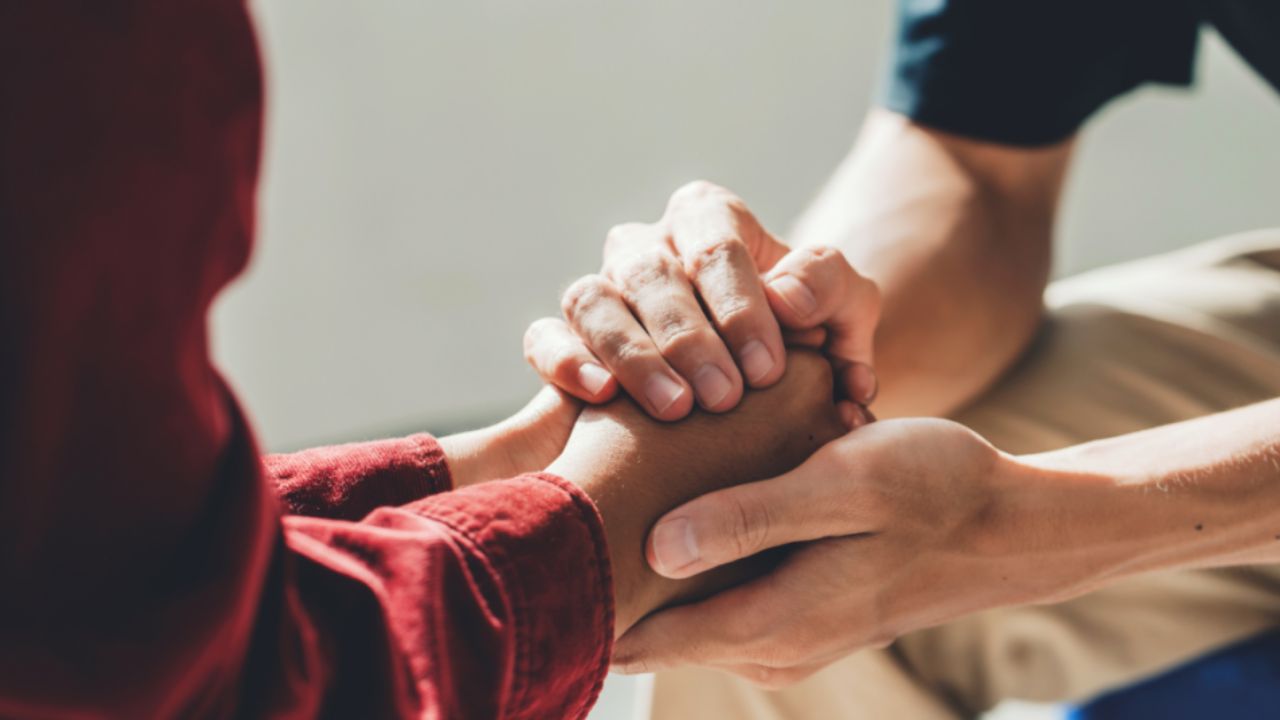
Peer support has become one of the most effective and human-centred elements of behavioural health recovery, especially within close-knit communities like Madison County. As more residents seek compassionate, practical, and stigma-free help, peer-led programmes are proving that lived experience can be a powerful tool for healing, confidence-building, and long-term stability. This article explores how peer support is shaping recovery journeys across the county and why it has become essential for individuals navigating behavioural health challenges.
Understanding Peer Support and Its Growing Importance
Peer support refers to guidance, encouragement, and emotional assistance offered by individuals who have personally experienced behavioural health conditions, substance use disorders, or similar life challenges. Their lived experience brings an authenticity and relatability that traditional clinical services alone may not always provide.
Table of Contents
In Madison County, peer support specialists, recovery mentors, and community volunteers are increasingly involved in mental health and addiction recovery programmes. Residents often find it easier to open up to someone who understands the emotional weight of anxiety, depression, trauma, or addiction from first-hand experience.
Why Lived Experience Matters
Peers offer something unique:
- Shared understanding without judgement
- Practical coping strategies that they have personally used
- Hope built on genuine recovery stories
This combination creates a bond that is difficult to replicate through formal treatment alone.
How Peer Support Complements Clinical Care in Madison County
Peer support is not meant to replace clinical treatment but to strengthen and humanise it. Local behavioural health providers in Madison County recognise that recovery is most effective when it is both professional and personal.
Building Trust and Reducing Stigma
One of the biggest barriers to seeking behavioural health services is the fear of being judged. Peer supporters naturally reduce this barrier by showing that recovery is possible, normal, and worth pursuing. This is especially valuable in smaller communities where stigma can feel amplified.
Encouraging Consistent Engagement
Clinicians often note that individuals are more likely to stay consistent with therapy, medication management, or group sessions when accompanied by someone who motivates them and understands their fears. Peers act as accountability partners, bridging the gap between treatment plans and everyday life.
Peer Support in Substance Use Recovery Across Madison County
Madison County’s addiction recovery landscape has changed significantly in recent years, with peer support emerging as a cornerstone of long-term stability.
Supporting Individuals Through Cravings and Relapses
People in recovery often face moments of uncertainty, loneliness, or temptation. Peer mentors—having walked the same path—provide real-world strategies to handle triggers and emotional setbacks.
They guide individuals on practical matters such as:
- Managing cravings during high-stress moments
- Rebuilding daily routines
- Strengthening social connections
- Navigating relapse without shame
Peer-Led Recovery Groups and Community Outreach
Local recovery groups facilitated by peers have gained popularity because of their authenticity and open, supportive environments. These groups allow participants to talk freely about challenges, celebrate milestones, and learn from each other’s strengths.
The Impact of Peer Support on Family Involvement
Behavioural health recovery is rarely an individual process—families often play a central role. Peer supporters help families understand the recovery journey, communicate better, and build realistic expectations.
Helping Families Move from Fear to Understanding
Families may struggle with confusion, guilt, or helplessness when supporting someone with behavioural health needs. Peer mentors can explain what recovery genuinely looks like, helping families stay resilient and informed.
Improving Communication and Support Systems
Through peer-informed guidance, families develop better communication and healthier boundaries, which contribute to long-term recovery stability.
Madison County’s Growing Need for Peer Support Programmes
As awareness of behavioural health issues increases, so does the demand for accessible, relatable support systems. Peer programmes in Madison County are expanding because they:
- Reduce pressure on clinical staff
- Increase recovery success rates
- Strengthen community engagement
- Provide long-term support beyond formal treatment
Local health organisations are working to integrate peer specialists into clinics, recovery centres, schools, and outreach initiatives, recognising that peer voices are essential in shaping a more compassionate system.
What the Future of Peer Support Looks Like in the County
The future of peer involvement in behavioural health recovery appears promising. With growing recognition and community investment, Madison County is positioned to become a model for rural and mid-sized communities across the U.S.
Expansion Opportunities on the Horizon
Areas for potential programme growth include:
- Peer-led crisis response teams
- Youth mentorship programmes
- Digital peer support networks
- Family-specific peer guidance
- Workplace mental health peer initiatives
These systems would allow more residents to benefit from connection, hope, and shared experience.
Conclusion
Peer support is transforming behavioural health recovery in Madison County by creating deeper trust, fostering empowerment, and bridging the gap between clinical treatment and everyday life. Through authentic relationships built on shared experiences, individuals feel seen, heard, and supported throughout their recovery journey. As the county continues expanding its peer programmes, more residents will have access to compassionate guidance and long-term emotional resilience.
What do you think of this? Share your thoughts in the comments below on mcchc.org.